
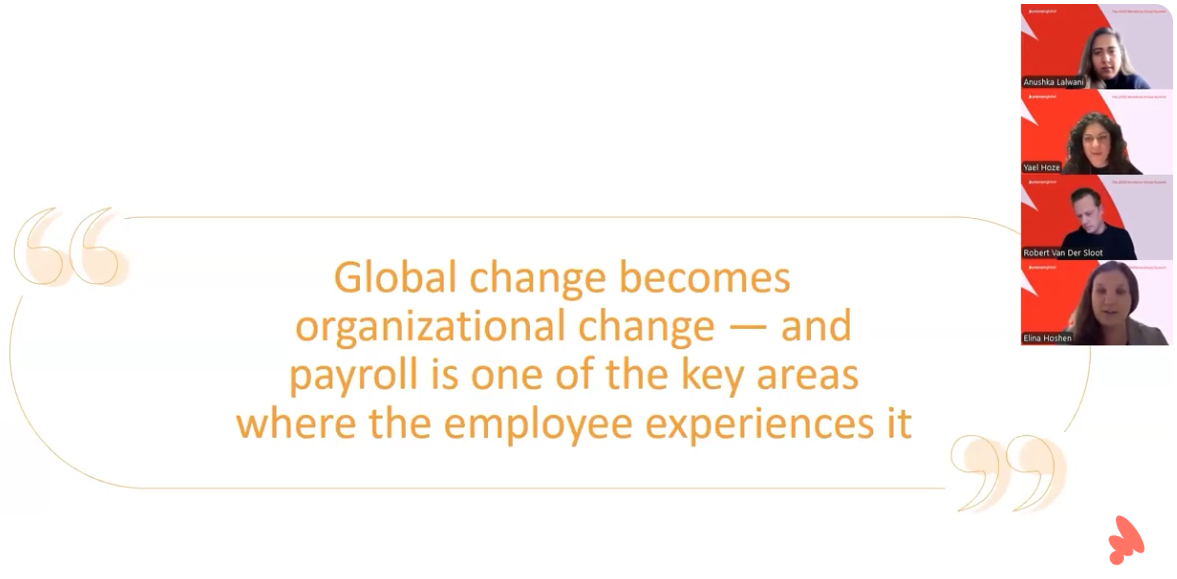
The fundamental shift occurring is from cyclical disruption to constant change. Traditionally, businesses experienced disruption followed by stabilization periods, but these cycles are now compressing. Change has become the permanent operating state, driven by both geopolitical events and rapid technological advancement, particularly AI. These external forces cascade inward, impacting enterprises, their operating models, and ultimately individual employees.
Enterprise Transformation Requirements
Organizations must fundamentally redesign how they operate. First, they need to shift from periodic transformation initiatives to continuous adaptation as a core operating mode. The traditional approach of planning multi-month transformation projects, executing them, and managing change afterward will become unsustainable. Economic trends supporting mergers and acquisitions will accelerate this need for efficiency and agility.
Second, enterprises must operate as integrated entities rather than disconnected silos. Data must flow seamlessly across functions, mirroring the user experience people expect in their personal lives. Third, organizations need to abandon cyclic processes—monthly payrolls, annual performance reviews, yearly goal-setting—in favor of “always on” operation modes that allow constant regrouping, rethinking, and fine-tuning. Finally, AI will serve as a critical layer not just for automation but primarily for validation and assurance across enterprise processes.
Employee Experience Evolution
The workplace is becoming increasingly worker-centric. Employees will likely work for multiple organizations simultaneously under flexible, dynamic terms. Software engineers and product managers exemplify this trend toward portfolio careers. Job roles, levels, and functions that remained static for decades will evolve rapidly, requiring both workers and organizations to continuously adapt.
Payment systems must evolve accordingly. Employees will demand transparency and immediacy in how they’re compensated for new, emerging roles. The concept of instant pay reflects this expectation—payroll becomes part of a responsive employment experience rather than a monthly outcome. As employees work across multiple organizations, they’ll bring diverse perspectives and expect the same seamless, immediate experiences from their workplace that they enjoy in personal life.
Conclusion
The systems and technologies of tomorrow will adapt to workers, creating personalized, adaptive work experiences. This transformation represents both challenge and opportunity, requiring sophisticated technologies like those offered by companies such as Papaya Global to navigate successfully.